

In the digital realm, where countless brands vie for attention, Search Engine Optimization (SEO) reigns supreme. It's the art and science of aligning your online presence with the intricate algorithms of search engines to earn the coveted top spots in search results. This is not just a mere tactic; it's a strategic element that can make or break a business's online success.
Imagine the internet as a vast kingdom, and at its center lies the throne of visibility. SEO is the key to this throne. By optimizing your website with relevant keywords, quality content, and a user-friendly design, you increase your chances of being found by potential customers. It's about being visible in a sea of information, and SEO ensures that your brand doesn't just exist, it thrives.
Organic traffic, the visitors who find your website through unpaid search results, is the crown jewel of SEO. These users are more likely to engage with your content and convert into customers because they're actively searching for solutions that you offer. Unlike paid advertising, which stops the moment you halt payments, organic traffic is a gift that keeps on giving, provided you maintain your SEO strategies.
SEO isn't just about pleasing the search engine gods; it's also about the royal court – your users. Search engines prioritize websites that offer a seamless user experience. This includes mobile optimization, fast loading times, and intuitive navigation. By enhancing the user experience, you're not only boosting your SEO rankings but also ensuring that visitors stay longer and engage more with your content.
Content is the decree by which SEO operates. High-quality, informative, and engaging content is favored by search engines and users alike. By regularly updating your website with fresh content, you signal to search engines that your site is relevant and valuable. Moreover, great content is shareable content, which can lead to natural backlinks – another pillar of SEO strength.
While SEO is the king, social media is a powerful ally. Social signals may not directly influence SEO rankings, but the visibility and traffic generated from social platforms can indirectly boost your SEO efforts. Sharing content across social networks increases its reach and the potential for it to be linked back to, which search engines interpret as a sign of quality and relevance.
Keywords are the lineage of SEO. They connect user queries to your content. However, keyword stuffing – the act of cramming as many keywords into your content as possible – is an outdated and penalized practice. Modern SEO focuses on keyword intent and long-tail keywords, which align more closely with how real people search and speak.
SEO is cost-effective. Unlike paid advertising channels that require continuous funding, SEO requires an initial investment followed by ongoing optimization. The return on investment (ROI) for SEO can be significant, as it continues to drive traffic and leads without the need for constant financial input.
SEO is not static; it's a dynamic and ever-evolving field. With search engines constantly updating their algorithms, an SEO strategy must be adaptable and forward-thinking. Voice search optimization, AI, and machine learning are the frontiers of SEO's future kingdom, and staying ahead in these areas ensures that your brand remains in power.
When your website ranks high on search engine results pages (SERPs), it earns trust and credibility from users. People tend to believe that the first few results are the most authoritative and trustworthy. SEO helps you become one of those top results, thus building a loyal following of customers who trust your brand.
SEO is the undisputed king of marketing because it touches upon every aspect of a brand's online presence. From visibility to user experience, from content to credibility, SEO weaves a tapestry of interconnected strategies that drive success. In the digital marketing kingdom, all roads lead to SEO – the path to the throne of online dominance.
I hope this blog post meets your expectations and provides valuable insights into the importance of SEO in marketing! If you need further customization or additional topics covered, feel free to ask.
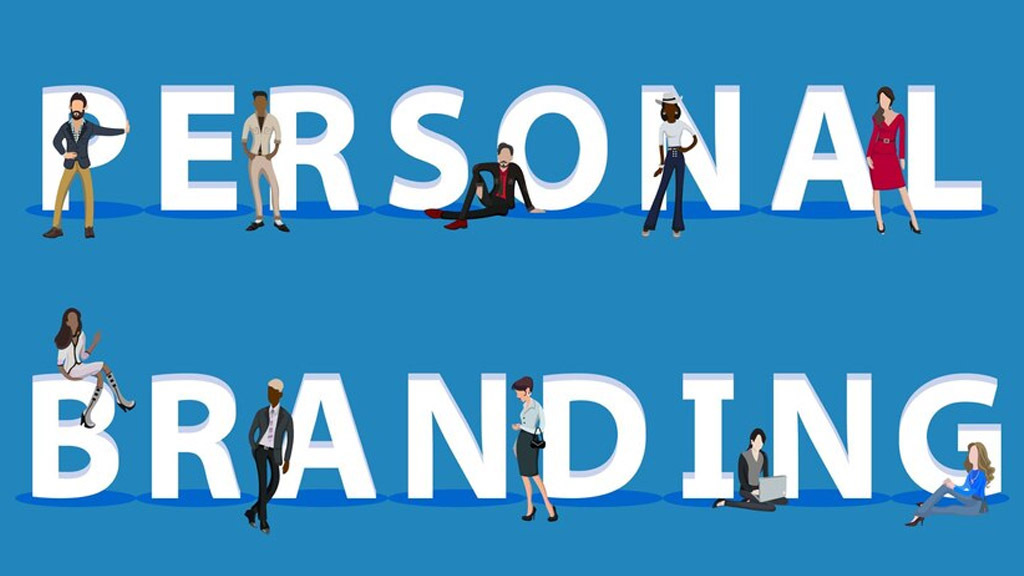
In today's hyper-connected world, personal branding has emerged as a critical tool for professional development and career growth. It's the conscious effort to create and influence public perception by positioning oneself as an authority in their industry, elevating their credibility, and differentiating themselves from the competition. This blog post explores the myriad ways in which personal branding can propel your career to new heights.
Personal branding is about carving out a niche for yourself in your field of expertise. It's a declaration of your unique value proposition and the distinct skills you bring to the table. By clearly defining who you are professionally, you not only establish your identity but also guide the trajectory of your career.
In a sea of professionals, a strong personal brand helps you stand out. It increases your visibility and makes you more recognizable in your industry. Whether it's through speaking engagements, a professional blog, or social media presence, personal branding puts you on the radar of potential employers, clients, and collaborators.
A well-crafted personal brand is a testament to your reputation and expertise. It builds trust with your audience and peers, showcasing your knowledge and experience. This credibility is invaluable, as it often precedes you in job interviews, negotiations, and when being considered for promotions.
Personal branding transforms networking from a mere exchange of business cards into meaningful connections. It makes you more approachable and relatable, encouraging others to engage with you. A robust network, in turn, opens doors to new opportunities, mentorships, and partnerships.
The job market is volatile, but a strong personal brand can provide stability. It serves as a career safety net, ensuring that you're always in demand. In times of economic downturns or industry shifts, your personal brand can be the anchor that keeps your career afloat.
In the digital age, your online presence is often the first impression you make. A strategic personal brand ensures that this impression is positive and impactful. It allows you to control the narrative around your professional life, highlighting your achievements and thought leadership.
A compelling personal brand doesn't just wait for opportunities; it attracts them. Recruiters and decision-makers are always on the lookout for standout candidates. A strong personal brand that resonates with your industry can lead to unsolicited job offers and unexpected career advancements.
Personal branding paves the way for thought leadership. By sharing insights and contributing to conversations in your field, you position yourself as an influencer. This influence can extend your reach, impact industry trends, and make you a go-to resource for commentary and expertise.
When you're known for your skills and expertise, you have leverage in salary negotiations and contractual discussions. Your personal brand justifies your worth and the value you add to an organization, giving you the upper hand in securing better compensation and benefits.
The process of developing a personal brand requires introspection and self-awareness. It forces you to evaluate your strengths, weaknesses, and aspirations. This self-knowledge is a powerful driver for personal and professional growth, ensuring that your career development aligns with your values and goals.
Personal branding is no longer optional; it's essential for career growth. It's the embodiment of your professional life, encapsulating your skills, experiences, and aspirations. By investing in your personal brand, you're not just enhancing your career prospects; you're taking control of your professional destiny. In the marketplace of talent, make sure the brand of you is one that resonates, inspires, and leads.
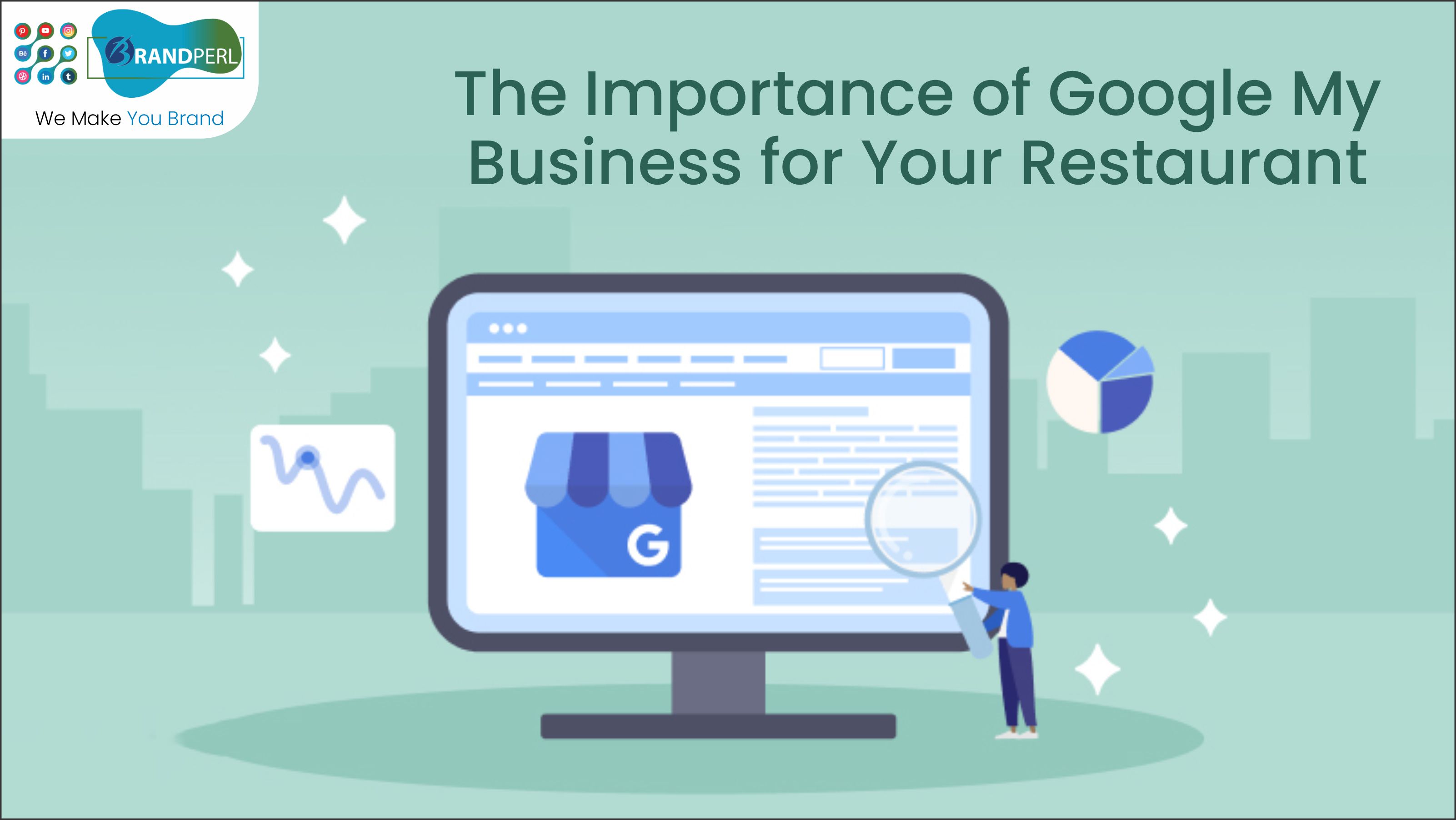
In the digital era, the success of a restaurant increasingly hinges on its online presence. Google My Business (GMB) is a pivotal tool for restaurants to enhance their digital footprint and attract more customers. Here's why GMB is essential for your restaurant.
GMB ensures that your restaurant appears in local search results and on Google Maps when potential diners search for places to eat. This increased visibility is crucial as it puts your restaurant in front of customers at the exact moment they are making dining decisions.
Online reviews on GMB serve as social proof and can significantly influence potential customers. Positive reviews build trust and credibility, signaling that your restaurant offers a great dining experience.
GMB allows you to showcase your restaurant's best features, including photos of your dishes, menus, and ambiance. This visual appeal can entice customers and give them a taste of what to expect.
With GMB, you can provide accurate and up-to-date information about your restaurant, such as hours of operation, location, contact details, and more. This helps customers easily find and connect with your business.
GMB provides valuable insights into how customers interact with your listing. You can track how many people called your restaurant directly from the listing, visited your website, or requested directions, allowing you to measure the effectiveness of your online presence.
Perhaps one of the most significant advantages of GMB is that it's a free marketing tool. It allows you to promote your restaurant without the need for a large marketing budget, making it accessible for all sizes of businesses.
GMB offers a platform for engaging with customers through questions and answers, responding to reviews, and posting updates about your restaurant. This engagement is key to building a loyal customer base.
A well-optimized GMB listing can improve your restaurant's local search engine optimization (SEO), making it more likely to appear in the coveted "Local Pack" at the top of search results.
In a competitive market, having a GMB listing can give you an edge over restaurants that don't. It's an opportunity to stand out and attract customers who are deciding where to dine.
Google My Business is an indispensable tool for restaurants looking to thrive in the digital age. It offers a range of benefits from increased visibility to customer engagement, all without cost. By leveraging GMB effectively, restaurants can not only attract more customers but also build a strong online reputation that can lead to long-term success. Contact brandperl expert consultant to uplift your business.

In the competitive restaurant industry, increasing footfall is crucial for success. Digital marketing offers a plethora of strategies to attract more customers to your restaurant. Here's a 700-word guide on how to leverage digital marketing to boost your restaurant's footfall.
The first step in any marketing strategy is to understand your target audience. Use analytics to gather data on your customers' preferences, behaviours, and demographics. Tailor your digital marketing efforts to meet their needs and interests.
Your website is often the first point of contact between your restaurant and potential customers. Ensure it's optimized for search engines (SEO), mobile-friendly, and provides a seamless user experience. Include your menu, location, hours of operation, and an easy reservation system.
Create engaging content that tells your restaurant's story. Share behind-the-scenes looks, chef interviews, and the journey of your dishes from farm to table. Use high-quality images and videos to showcase your food and ambience.
Utilize social media platforms to connect with your audience. Post regularly and engage with your followers. Run contests, share customer testimonials, and promote special offers to encourage visits.
Partner with food bloggers and influencers to reach a wider audience. Influencers can create authentic content that showcases your restaurant's best features and drives footfall.
Build an email list and send out newsletters with exclusive deals, upcoming events, or new menu items. Personalize your emails to make your customers feel valued and more likely to visit.
Encourage satisfied customers to leave positive reviews on platforms like Google, Yelp, and TripAdvisor. Respond to reviews, both positive and negative, to show that you value customer feedback.
Optimize your online presence for local searches. Claim your Google My Business listing, ensure your restaurant appears in local directories, and use location-based keywords in your content.
Invest in paid advertising such as Google Ads or social media ads. Use geo-targeting to reach potential customers in your area.
Create a digital loyalty program that rewards repeat customers. Offer discounts, free items, or exclusive experiences to incentivize return visits.
Host and promote events at your restaurant. Use digital channels to spread the word about wine tastings, live music nights, or cooking classes.
Engage with your local community online. Participate in local events, support charities, and collaborate with other businesses to increase your visibility.
Use digital analytics to track the success of your marketing efforts. Adapt your strategy based on what works best for driving footfall to your restaurant.
Digital marketing is a powerful tool for increasing restaurant footfall. By understanding your audience, creating engaging content, leveraging social media, and utilizing various digital marketing strategies, you can attract more customers and grow your business.

In the age of digital connectivity, expanding a franchise business across India requires a strategic approach to digital marketing and branding. Here's a comprehensive guide to leveraging these tools for nationwide growth.
India's diverse market is both a challenge and an opportunity. A successful franchise must resonate with local cultures while maintaining brand consistency. Understanding regional preferences and consumer behaviour is key to crafting targeted marketing strategies.
A strong digital presence starts with a professional website that's optimized for all devices. It should reflect the brand's ethos, provide clear information about the franchise opportunity, and include a straightforward application process for potential franchisees.
Search Engine Optimization (SEO) tailored to different regions can significantly boost online visibility. Use local keywords, create region-specific content, and list your franchise on local directories to attract potential franchisees and customers from various parts of India.
India's social media usage is soaring. Create a unified brand voice across platforms while allowing for regional variations. Engage with local audiences through culturally relevant content, regional language posts, and interactive campaigns.
Develop a content marketing strategy that educates and engages potential franchisees about the benefits of joining your network. Share success stories, testimonials, and data-driven results that highlight the strengths of your franchise model.
Partner with influencers who have a strong following in target regions. They can help promote the brand and attract franchisees by showcasing the business's potential through authentic storytelling.
Segment your email marketing campaigns to address the specific needs and interests of potential franchisees in different regions. Personalized communication can build trust and encourage engagement with your brand.
Invest in online advertising campaigns, including pay-per-click (PPC) and social media ads, to reach a broader audience. Geo-targeting allows for precise ad placement, ensuring that your message reaches the right demographic.
While customization for local markets is important, maintaining brand consistency across all digital platforms is crucial. Ensure that your brand's core message and visual identity remain intact to build a strong, recognizable brand.
Use analytics to track the performance of your digital marketing efforts. This data will help you understand what's working and where to adjust your strategies for better results.
Encourage customers and existing franchisees to leave reviews online. Positive feedback can serve as a powerful tool for attracting new franchisees.
Offer digital marketing training to your franchisees. Empowering them with the skills to market locally will strengthen your brand's presence and ensure a cohesive approach across the network.
Create an online community for your franchisees. A platform for sharing best practices, asking questions, and offering support can foster a sense of belonging and loyalty to the brand.
Expanding a franchise business across India is a multifaceted endeavour that requires a strategic blend of digital marketing and branding. By understanding the local market, engaging with audiences through various digital channels, and maintaining brand consistency, a franchise can successfully establish a nationwide presence.

In the bustling food and beverage sector of India, startups need to carve out their niche to succeed. A robust digital marketing strategy is not just an option; it's a necessity. Here's a comprehensive guide to creating a digital marketing strategy tailored for food and beverage startups in India.
India's food and beverage market is diverse and competitive. Startups must understand their target audience's preferences, behaviours, and trends. Conducting market research and utilizing data analytics can provide valuable insights into consumer patterns.
A strong online presence begins with a user-friendly website that reflects the brand's identity. It should be mobile-responsive, easy to navigate, and equipped with e-commerce capabilities if direct sales are part of the business model.
SEO is crucial for increasing visibility. Startups should focus on local SEO strategies by optimizing for location-based keywords and listing their business on Google My Business and other local directories.
Content is king in digital marketing. Startups should create engaging, informative content that resonates with their audience. This can include blogs, videos, recipes, and behind-the-scenes looks at the startup's operations.
Social media platforms are where brands can connect with customers on a personal level. Startups should choose platforms popular with their target demographic and post regularly with a mix of promotional and engaging content.
Collaborating with food bloggers and influencers can help startups reach a broader audience. It's important to partner with influencers whose followers align with the startup's target market.
Email marketing remains an effective way to reach customers directly. Newsletters, promotional offers, and updates about new products can keep the brand at the top of customers' minds.
Paid online advertising, such as Google Ads and social media ads, can drive traffic and conversions. Startups should use targeted advertising to reach potential customers based on their interests and behaviours.
Positive reviews and testimonials can influence potential customers. Encouraging satisfied customers to leave reviews on platforms like Zomato, TripAdvisor, and Google can enhance the brand's credibility.
Using analytics tools to track the performance of digital marketing efforts is essential. This data can help startups understand what's working and adjust their strategies accordingly.
With the majority of internet users in India accessing the web via mobile devices, startups must ensure that all digital marketing content is mobile-friendly.
Startups should engage with local communities through events, sponsorships, and partnerships. This can build brand loyalty and create a sense of community around the brand.
A well-rounded digital marketing strategy is vital for food and beverage startups in India. By understanding the market, engaging with customers online, and leveraging the power of digital tools, startups can increase their visibility, connect with their audience, and drive growth in this dynamic industry.
