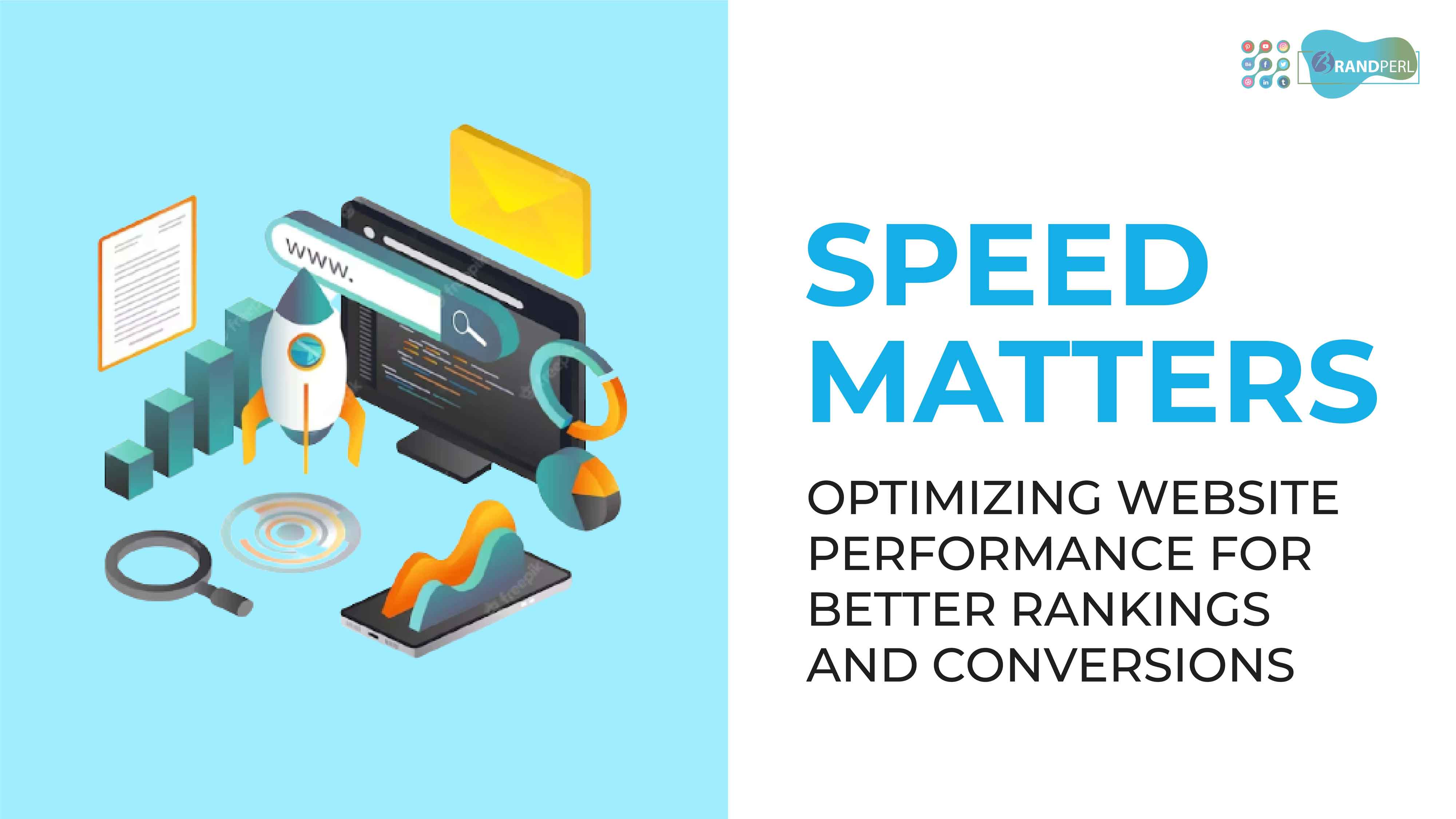
In this blog, we'll explore the importance of website speed, its impact on rankings and conversions, and strategies to optimize your website's performance for a seamless user experience with the best website development company in Pune.
Website speed plays a critical role in user satisfaction. Research shows that users expect a website to load within a few seconds, and any delays can result in high bounce rates and lost opportunities. A fast-loading website creates a positive first impression, encourages visitors to explore further, and enhances the overall user experience.
Website speed is a crucial factor in search engine optimization (SEO). Search engines like Google consider website speed as one of the ranking signals. A slow website may result in lower rankings, reduced visibility, and decreased organic traffic. Optimizing your website's speed can improve its chances of ranking higher in search engine results.
Fast-loading websites contribute to a positive user experience. Visitors are more likely to engage with a website that loads quickly and efficiently. On the other hand, slow-loading pages can lead to frustration, increased bounce rates, and lower engagement metrics. By optimizing your website's speed, you create an environment that encourages users to stay longer, explore more content, and take desired actions.
With the increasing use of mobile devices, optimizing your website's speed becomes even more critical. Mobile users expect fast-loading pages, and search engines prioritize mobile-friendly websites in their rankings. Ensure your website is fully optimized for mobile devices, by partnering with web development experts that offer the best web design services and employ techniques such as responsive design and mobile caching to deliver a seamless and speedy experience.
Reduce the number of HTTP requests by combining and minifying CSS and JavaScript files, optimizing images, and leveraging browser caching.
CDNs distribute your website's static files across multiple servers globally, delivering content from the server closest to the user and reducing latency.
Leverage browser caching to store frequently accessed files locally on users' devices, reducing subsequent page load times.
Evaluate and remove any unnecessary plugins, scripts, or code snippets that may slow down your website.
Regularly test your website's performance using tools like Google PageSpeed Insights, GTmetrix, or Pingdom. These tools provide insights and recommendations for further optimization. Additionally, monitor your website's performance using analytics tools to track loading times, user engagement, and conversion rates.
Website optimization is an ongoing process. Stay up to date with the latest techniques and best practices in website speed optimization. Regularly assess your website's performance metrics, user feedback, and industry trends to make informed adjustments and improvements.
By prioritizing website speed optimization, you can enhance user experience, improve search engine rankings, and increase conversions.A fast-loading website sets the foundation for better user engagement, increased visibility, and ultimately, the success of your online presence.
Ready to optimize your website for speed and boost your rankings and conversions?Partner with Brandperl, the best web development company in India, for top-notch web design services and a seamless user experience.
Let's take your online presence to new heights together! Get in touch.
The success of any business in today's fiercely competitive business environment depends on lead generation. But developing a successful lead generation strategy can be challenging, particularly for small and medium-sized businesses. It might be confusing to choose the marketing strategies and channels that would be most effective for your company because there are so many options available.
Attracting potential customers and directing them through the sales funnel to convert them into paying customers are key components of a successful lead generation strategy. In order to produce content and messaging that resonates with your target audience, you must have a thorough understanding of their wants and pain points. In order to turn potential leads into customers, it also entails improving your website, landing pages, and other touchpoints.
In this blog, we will give you practical tips and tricks to help you develop a successful lead generation strategy. These strategies will assist you in drawing in and turning more leads into customers for your company, which will result in more revenue and expansion, whether you're an entrepreneur, marketer, or sales expert.
Identifying the target audience is the first step in developing a successful lead generation plan. You can customize your messaging and products for them by knowing who your ideal customer is and what their requirements and pain points are. Develop buyer personas that reflect your ideal customer using the demographic information you've gathered about your target audience.
One of the best strategies for drawing in prospective leads is to produce useful content. Create content that targets your audience's pain points, solves their problems, and educates and informs them. This content can be published as blog postings, white papers, e-books, videos, and webinars, among other formats. To reach your target audience, distribute your content using social media, email marketing, and other means.
Lead magnets are rewards that encourage prospective clients to give their contact information in exchange for useful content or services. Free trials, webinars, and e-books are a few types of lead magnets. To draw new leads and expand your email list, use lead magnets.
Social media is an effective strategy for generating leads. Connect with potential leads and spread your content through social networking sites like LinkedIn, Facebook, and Twitter. For a wider audience and more leads, use sponsored social media advertising. You can take the help of the best social media marketing agency in India for getting higher reach on your social media accounts.
Your lead generation strategy must be measured and improved if you want it to be successful. Track the effectiveness of your campaigns with analytics tools, including website traffic, email open rates, and conversion rates. Utilize this information to continuously enhance your approach by changing your messaging, targeting, and methods to generate better outcomes.
In conclusion, developing a successful lead generation strategy requires time, energy, and ongoing improvement. You can attract and convert more leads for your company by knowing your target market, producing valuable content, utilizing lead magnets, optimizing your landing pages, utilizing social media and email marketing, and continuously measuring and fine-tuning your strategy.
If you want to improve your ROI by generating leads online, Brandperl is the best option for you. It is one of the best online lead generation companies in India. Our experts help our clients boost their leads by 10 times, contributing to their business growth.
Contact Brandperl today and make them your lead generation partner.
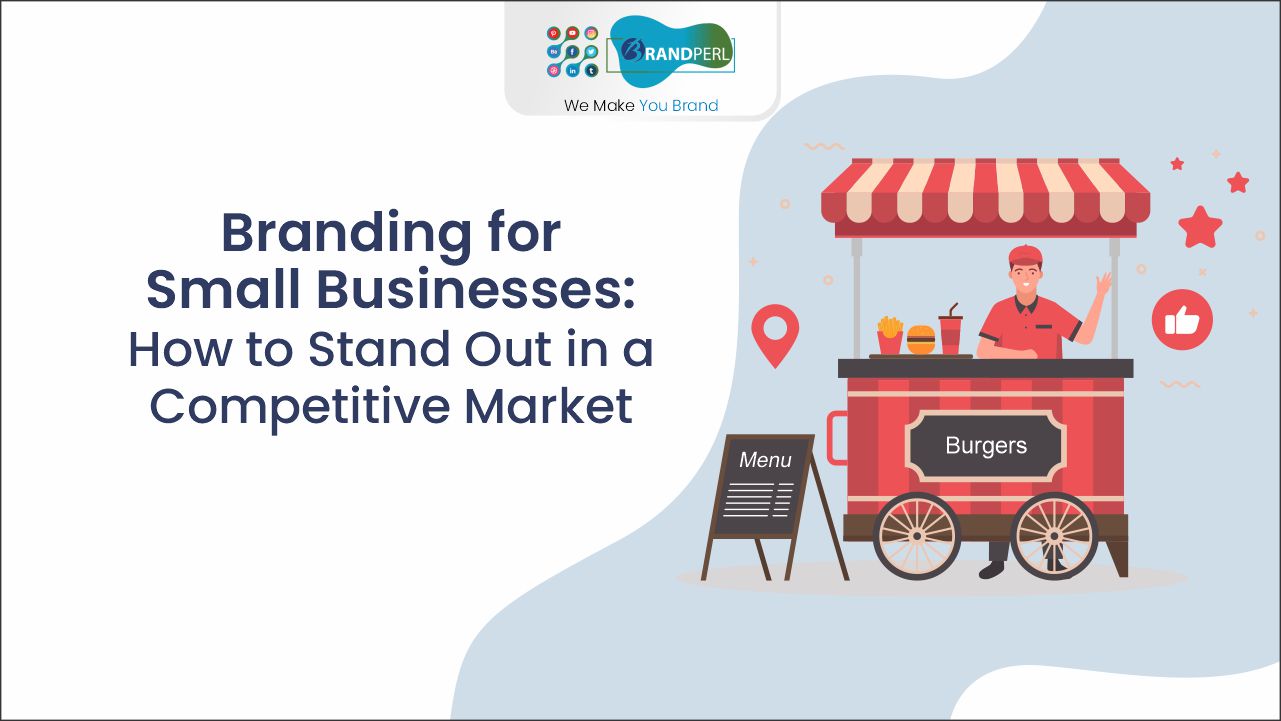
In today's competitive business landscape, standing out and making a lasting impression are vital for the success of small businesses. Effective branding for small businesses plays a pivotal role in helping them differentiate themselves, connect with their target audience, and build a loyal customer base.
In this blog, we explore the importance of branding for small businesses and provide actionable strategies to help them stand out in a competitive market.
Branding encompasses the process of creating a distinct identity and perception for a business or product in the minds of consumers. It goes beyond a logo or visual elements and encompasses the overall experience, values, and online reputation associated with the brand.
Effective branding has a profound impact on business success by establishing recognition, credibility, and customer loyalty. A strong brand differentiates a business from its competitors, making it memorable and recognizable.
It builds trust and emotional connections with customers, influencing their purchasing decisions. A well-executed brand strategy can command higher prices, attract new customers, and foster long-term relationships.
It also provides a framework for consistent messaging, guiding marketing efforts, and shaping customer perceptions. Ultimately, branding plays a critical role in driving business success by shaping the way customers perceive, interact with, and advocate for a company or product.
Identifying your target audience and their needs
Understanding your competition and market landscape
Defining your unique selling points and brand differentiators
Creating a memorable brand narrative that appeals to your audience
Designing a memorable and visually appealing logo
Choosing a color palette that reflects your brand personality
Selecting fonts and typography that align with your brand image
Creating a cohesive brand style guide for consistent application
Defining your brand's tone and personality
Crafting a compelling brand story that connects with your audience
Developing key messaging that communicates your unique value proposition
Ensuring consistency across all customer touchpoints and communications
Creating a professional and user-friendly website
Optimizing your website for search engines (SEO)
Using social media tools to increase brand recognition and interaction
Creating thought leadership with content marketing
Conducting market research to understand your audience's needs and preferences
Modifying your brand's messaging to appeal to your target market
Engaging in personalized and relevant communication through email marketing
Leveraging social media to foster meaningful interactions and customer engagement
Building Brand Trust and Credibility
Delivering exceptional customer experiences and service
Encouraging and responding to customer reviews and testimonials
Establishing partnerships and collaborations with trusted brands or influencers
Highlighting your expertise through thought leadership and educational content
Consistency and Adaptability
Ensuring consistent application of your brand across all touchpoints
Monitoring and adapting to market trends and customer preferences
Evolving your brand strategy while staying true to your core values
Regularly evaluating and refining your branding efforts for maximum impact Measuring and Evolving Your Brand
Tracking key branding metrics (brand awareness, customer perception)
Soliciting customer feedback and conducting surveys
keeping an eye on market developments and competitors to stay ahead
Continuously refining and evolving your brand strategy based on insights
Branding is a critical element for small businesses looking to stand out in a competitive market. By defining their unique value proposition, creating a consistent visual identity, connecting with their target audience, and building trust and credibility, small businesses can establish a strong brand presence.
Through ongoing monitoring, adaptation, and measurement, small businesses can continually evolve their branding efforts to meet the changing needs of their customers and thrive in the competitive marketplace.
Remember, the best personal brand management services help you embrace the growth and success of your business.
If you are looking for the best personal branding agency in Pune for your small business, BrandPerl is the right choice for you. We help you establish your brand identity and make it stand out in the competitive market.
Contact Brandperl today and get a quote for your business.
In today's competitive business landscape, customer retention is crucial for sustained growth and success. One of the most effective ways for fostering customer loyalty and engagement are email marketing services by the best email marketing company in India.
With its direct and personalized approach, email marketing allows businesses to connect with their audience, deliver valuable content, and nurture lasting relationships.
In this blog, we explore the power of email marketing services for customer retention and provide valuable insights and strategies for building a successful campaign.
Customer retention vs. acquisition
The role of email marketing in fostering loyalty
Identifying your target audience and segments
Personalizing email content for maximum impact
Writing engaging subject lines and preview text
Structuring clear and concise email messages
Growing your subscriber base organically
Implementing lead generation strategies
Opt-in forms and landing pages for capturing email addresses
Ensuring compliance with data protection regulations
Segmenting your email list based on demographics, interests, and behavior
Tailoring email content and offers to each segment
Dynamic content and personalization tokens for individualized messaging
Implementing automated email workflows based on customer actions
Defining the purpose of your email campaign
Establishing measurable goals and KPIs
Aligning email marketing with overall business objectives
Testing and optimizing campaigns for maximum effectiveness
Creating visually appealing email templates
Responsive design for optimal viewing across devices
Incorporating brand elements and consistent messaging
Balancing images and text for better engagement
Ensuring high deliverability rates for your emails
Managing email bounces and spam filters
Complying with email marketing best practices and regulations
Monitoring and improving email deliverability metrics
Tracking key email marketing metrics (open rates, click-through rates, conversions)
Conducting A/B testing to optimize email performance
Utilizing email analytics tools for data-driven insights
Iterating and refining your campaigns based on performance data
Implementing automated email workflows (welcome series, abandoned cart emails, post-purchase follow-ups)
Drip campaigns for ongoing engagement and nurturing
Personalized recommendations and cross-selling opportunities
Customer feedback and surveys for continuous improvement
Understanding and complying with data protection laws (e.g., GDPR, CAN-SPAM Act)
Providing easy unsubscribe options and honoring opt-out requests
Obtaining consent and managing email preferences
Conducting A/B testing for subject lines, email content, and CTAs
Testing different email formats (text-only vs. HTML) and layouts
Analyzing results and iterating on successful elements
Implementing multivariate testing for more advanced optimization
Utilizing customer data to personalize email content
Incorporating dynamic content based on customer preferences or behavior
Creating personalized recommendations and product suggestions
Using dynamic merge tags to personalize email greetings and subject lines
Finding the right balance between sending too many and too few emails
Segmenting your audience to deliver emails at the optimal time
Testing different send times and frequencies to maximize engagement
Utilizing automation tools to schedule and manage email campaigns
Writing compelling and curiosity-inducing subject lines
Incorporating preheaders to provide additional context and entice opens
A/B testing subject lines for higher open rates
Avoiding spam triggers and using spam checker tools for deliverability
Using eye-catching visuals, including images, graphics, and videos.
Incorporating interactive elements like GIFs, quizzes, or polls
Optimizing visuals for fast loading times and mobile responsiveness
Balancing visual appeal with email load speed and deliverability
Understanding the customer journey and touchpoints
Mapping email campaigns to different stages of the customer lifecycle
Delivering relevant content based on where customers are in their journey
Utilizing triggered emails based on specific customer actions or milestones
Implementing customer feedback loops to gather insights and improve campaigns
Sending post-purchase surveys to gather feedback and reviews
Using feedback to enhance personalization and tailor future email content
Demonstrating responsiveness to customer concerns and suggestions
Identifying inactive subscribers and creating reactivation campaigns
Offering exclusive promotions or incentives to re-engage dormant customers
Customizing reactivation emails based on past behavior or preferences
Analyzing results and adjusting strategies to win back customers
Leveraging social proof, such as testimonials or reviews, in email campaigns
Incorporating user-generated content (UGC) from social media or online communities
Encouraging customers to share their experiences and tag your brand
Highlighting positive feedback and showcasing real customer stories
Staying up-to-date with the latest email marketing trends and best practices
Following industry experts and subscribing to reputable email marketing resources
Attending webinars or industry conferences to gain insights and networking opportunities
Experimenting with new strategies and technologies to keep your campaigns fresh and engaging
Email marketing services remain valuable and effective for customer retention. By implementing the strategies and best practices outlined in this blog, businesses can build successful email campaigns that foster customer loyalty, engagement, and ultimately drive business growth.
Remember to continually optimize your campaigns, test new approaches, and leverage customer data to deliver personalized and relevant content. Embrace the power of email marketing and create lasting connections with your audience, leading to increased customer retention and long-term success.
Are you looking for the best email marketing services? BrandPerl is there for you. We are the best growth marketing agency in Pune. We are helping various clients from different fields in growing their businesses using our top-notch services. We help them in creating a successful email marketing campaign and generate leads.
Contact us to know more about our email marketing services.
In the ever-evolving digital landscape, businesses are constantly searching for effective ways to reach their target audience and drive conversions. PPC advertising services have emerged as a powerful tool for achieving these goals. By strategically investing in targeted PPC campaigns, businesses can maximize their return on investment (ROI) and achieve significant growth. In this blog, we delve into the world of Pay-Per-Click (PPC) advertising, exploring its benefits, best practices, and strategies for optimizing ROI.
PPC advertising, or Pay-Per-Click advertising, operates through an auction-based system where advertisers bid on keywords or target demographics to display their ads. Advertisers conduct keyword research and create compelling ads with relevant copy.
They set bids, indicating the maximum amount they are willing to pay for each click on their ads. When a user performs a search or visits a webpage matching the targeting criteria, an ad auction takes place, considering factors like bid amount and ad relevance. The winning ads are displayed on search engine results pages or relevant websites.Advertisers are charged only when someone clicks on their ads. They monitor campaign performance using metrics such as CTR and conversion rates, making adjustments to optimize results. PPC advertising offers instant visibility, audience targeting, and control over budgets, enabling businesses to drive targeted traffic, generate leads, and achieve marketing goals effectively.
PPC services offered by PPC advertising agency in Mumbai offer cost-effective marketing because you only pay when someone clicks on your ad. This ensures that your budget is spent on actual user engagement.
Additionally, PPC platforms provide comprehensive analytics and tracking tools, allowing you to measure the performance of your campaigns accurately. You can monitor key metrics such as click-through rates, conversions, and return on investment (ROI), enabling you to make data-driven decisions and optimize your campaigns for better results.PPC advertising allows you to precisely target your audience based on factors like keywords, demographics, interests, and geographic location. This level of audience segmentation enables you to deliver tailored messages and offers to specific customer segments, increasing the likelihood of conversions.
You can customize your ads, landing pages, and calls-to-action to resonate with different target groups, optimizing your campaigns for maximum relevance and effectiveness.Additionally, PPC campaigns can be quickly scaled up or down to align with your business objectives. You can easily launch new campaigns, test different strategies, and expand your reach as needed, ensuring agility and adaptability in your advertising efforts.
By leveraging the benefits of PPC advertising services, businesses can gain immediate visibility, cost-effective results, precise audience targeting, and the flexibility to adapt to their evolving needs. These advantages make PPC advertising a valuable tool for driving traffic, generating leads, and achieving marketing goals.
Contact Brandperl today to know more about our services.
The process of developing a unique identity for yourself and using that identity to build your reputation and authority in your industry is known as personal branding. It includes discovering your values, skills, and talents and using them to establish your online and offline presence. Personal branding includes everything from your website and social media accounts to how you show yourself in public and how you dress.
In the current digital world, it is essential to build a strong personal brand for many reasons. First, it makes you stand out in an extremely competitive marketplace. Anyone can claim to be an expert in any field in a world where everyone is connected to the internet. You can stand out from the competition and become recognized as an expert in your industry by building a strong personal brand.
Second, personal branding promotes trust and credibility. People are more likely to believe you and your knowledge when they know who you are and what you stand for. Increased opportunities, such as new clients, interviews, or job offers, may result from this.
Finally, personal branding can accelerate your progress toward your objectives. Whether you want to start a business, find a new job, or become well-known, having a strong personal brand may speed up the process by giving you the proper chances and connections.
You need to invest time and effort to build a strong personal brand, but it's worth it. Following are the steps to building a powerful personal brand:
Who you are and what you stand for should be reflected in your personal brand. Establish your mission and value statement first. What do you feel strongly about? What qualities do you have? What would you like to be remembered for?
With your personal brand, who are you seeking to connect with? Are you looking for prospective customers, employers, or other industry experts? Determine your target market so you can modify your messaging and content to suit their requirements and preferences.
Your personal brand must include your website and social media accounts. Ensure that your profiles are polished, current, and unified across all platforms. Share information that reflects your values and area of expertise.
Spread your expertise to others. Make blog posts, videos, or presentations at industrial events. You may position yourself as a thought leader in your business by imparting your knowledge.
Knowing what you know is important, but so is knowing who you know. Establish connections with other entrepreneurs in your industry and beyond. Participate in industry gatherings, join online forums, and network with others in your sector.
The power of branding to influence consumer perception and drive company success is what gives it its power. Businesses can improve their competitiveness, foster loyalty and confidence in customers, and ultimately succeed more by developing a strong and distinctive brand.
In conclusion, personal branding is an effective technique for anyone wishing to become recognized as an industry thought leader, develop credibility and trust, and get closer to their objectives.
You can build a powerful personal brand that differentiates you from the competition and motivates you toward success by defining your values and mission, determining your target audience, and creating your online presence. Spend some time developing your personal brand, then watch as opportunities come your way.
However, if you are confused about how you can build a strong personal brand, BrandPerl is there to help you with the same. We are the best branding agency in India. We have a team of branding experts who have years of experience helping people from different industries develop their personal brand. From building a website to maintaining your brand image on various social platforms, we are here to help.
So what are you waiting for?
Contact Brandperl today and build your brand.
